Buy seniorenbegleitung.eu ?
We are moving the project
seniorenbegleitung.eu .
Are you interested in purchasing the domain
seniorenbegleitung.eu ?
domain@kv-gmbh.de · 0541-91531010
Buy seniorenbegleitung.eu ?
How can 3D printing support overhangs?
3D printing can support overhangs by using support structures. These structures are temporary supports that are printed along with the overhangs to prevent them from collapsing during the printing process. Once the print is complete, the support structures can be removed easily, leaving behind the desired overhang shape. This allows for more complex and intricate designs to be created using 3D printing technology. **
How are support structures used in 3D printing?
Support structures are used in 3D printing to provide stability and prevent the collapse of overhanging or intricate parts of a printed object. These structures are typically added automatically by the 3D printing software based on the design of the object. Once the printing is complete, the support structures can be removed manually or with the help of tools, leaving behind the final printed object. This process allows for the creation of more complex and detailed designs that would otherwise be difficult to achieve without the use of support structures. **


Similar search terms for Printing
Top-Angebote
Products related to Printing:
-
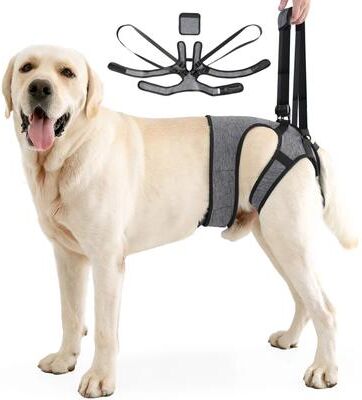
Inspire Picks Adjustable Dog Lift Harness For Back Leg Support & Walking Assistance blue xlHelp your dog move more comfortably with this supportive dog lift harness designed to assist pets with weak back legs, mobility issues, or postsurgery recovery. Featuring a secure adjustable sling design, this walking support harness helps owners...83,44 $*Shipping: 0,00 $Secure redirect to the provider
-
Inspire Select Dog Lift Support Harness Adjustable Rear Leg Support Sling For Mobility Assistance blue mHelp your furry companion move with greater comfort and confidence using this supportive dog lift harness. Designed to provide reliable assistance for pets with mobility challenges, this dog support sling helps reduce strain while walking, climbing...148,95 $*Shipping: 0,00 $Secure redirect to the provider
-
Inspire Select Dog Lift Support Harness Adjustable Rear Leg Support Sling For Mobility Assistance gray mHelp your furry companion move with greater comfort and confidence using this supportive dog lift harness. Designed to provide reliable assistance for pets with mobility challenges, this dog support sling helps reduce strain while walking, climbing...148,95 $*Shipping: 0,00 $Secure redirect to the provider
-
Inspire Select Dog Lift Support Harness Adjustable Rear Leg Support Sling For Mobility Assistance gray sHelp your furry companion move with greater comfort and confidence using this supportive dog lift harness. Designed to provide reliable assistance for pets with mobility challenges, this dog support sling helps reduce strain while walking, climbing...138,99 $*Shipping: 0,00 $Secure redirect to the provider




-
How should support structures be proportioned for 3D printing?
Support structures for 3D printing should be proportioned in a way that provides enough stability and reinforcement to prevent the printed object from collapsing during the printing process. The support structures should be designed to be easily removable after printing, without causing damage to the final object. It is important to strike a balance between adding enough support to ensure successful printing and minimizing the amount of material used to reduce post-processing work. Additionally, support structures should be strategically placed in areas where overhangs or bridges are present to maintain the integrity of the final print. **
-
How do I remove the support in 3D printing?
To remove support structures in 3D printing, you can use a variety of methods depending on the type of material and the design of the object. For example, if you are using a filament-based 3D printer, you can remove the support structures by carefully breaking them off with pliers or cutting them away with a sharp tool. If you are using a resin-based 3D printer, you may need to use a combination of tools such as tweezers, wire cutters, and sandpaper to carefully remove the supports without damaging the printed object. It's important to take your time and work carefully to avoid damaging the printed object during the support removal process. **
-
How do you remove support structures in 3D printing?
To remove support structures in 3D printing, you can start by identifying the areas where the support material is attached to the printed object. Then, you can use tools such as pliers, tweezers, or a knife to carefully break or cut away the support material. It's important to proceed slowly and cautiously to avoid damaging the printed object. After removing the support structures, you may need to do some additional cleaning or sanding to smooth out any rough areas left behind. **
-
What printing methods are there for printing handbags?
There are several printing methods for printing handbags, including screen printing, digital printing, and heat transfer printing. Screen printing involves using a stencil to transfer ink onto the handbag material, while digital printing uses a computer to directly print designs onto the material. Heat transfer printing involves using heat and pressure to transfer a design from a special paper onto the handbag material. Each method has its own advantages and is chosen based on factors such as the material of the handbag and the complexity of the design. **

Which printing ink is used for linocut printing?
Linocut printing typically uses oil-based printing ink. This type of ink is preferred for linocut printing because it has a thick consistency that allows for easy application onto the linoleum block. Additionally, oil-based ink dries slowly, which gives the artist more time to work with the image and create the desired effects. This type of ink also provides a rich and vibrant color when printed onto paper. **
What are the printing substrates and printing materials used in the following printing processes?
In offset printing, the printing substrate is typically paper or cardboard, while the printing materials are ink and a printing plate. In digital printing, the substrate can vary and include paper, plastic, fabric, or even metal, and the printing materials are toner or liquid ink. In flexography, the substrate is usually flexible and can include paper, plastic, or cellophane, and the printing materials are liquid inks. In gravure printing, the substrate can be paper, plastic, or metal, and the printing materials are liquid inks. **
Top-Angebote
Products related to Printing:
-
Inspire Select Dog Lift Support Harness Adjustable Rear Leg Support Sling For Mobility Assistance blue xlHelp your furry companion move with greater comfort and confidence using this supportive dog lift harness. Designed to provide reliable assistance for pets with mobility challenges, this dog support sling helps reduce strain while walking, climbing...90,98 $*Shipping: 0,00 $Secure redirect to the provider
-
Inspire Picks Adjustable Dog Lift Harness For Back Leg Support & Walking Assistance blue xlHelp your dog move more comfortably with this supportive dog lift harness designed to assist pets with weak back legs, mobility issues, or postsurgery recovery. Featuring a secure adjustable sling design, this walking support harness helps owners...83,44 $*Shipping: 0,00 $Secure redirect to the provider
-
Inspire Select Dog Lift Support Harness Adjustable Rear Leg Support Sling For Mobility Assistance blue mHelp your furry companion move with greater comfort and confidence using this supportive dog lift harness. Designed to provide reliable assistance for pets with mobility challenges, this dog support sling helps reduce strain while walking, climbing...148,95 $*Shipping: 0,00 $Secure redirect to the provider
-
How can 3D printing support overhangs?
3D printing can support overhangs by using support structures. These structures are temporary supports that are printed along with the overhangs to prevent them from collapsing during the printing process. Once the print is complete, the support structures can be removed easily, leaving behind the desired overhang shape. This allows for more complex and intricate designs to be created using 3D printing technology. **
-
How are support structures used in 3D printing?
Support structures are used in 3D printing to provide stability and prevent the collapse of overhanging or intricate parts of a printed object. These structures are typically added automatically by the 3D printing software based on the design of the object. Once the printing is complete, the support structures can be removed manually or with the help of tools, leaving behind the final printed object. This process allows for the creation of more complex and detailed designs that would otherwise be difficult to achieve without the use of support structures. **
-
How should support structures be proportioned for 3D printing?
Support structures for 3D printing should be proportioned in a way that provides enough stability and reinforcement to prevent the printed object from collapsing during the printing process. The support structures should be designed to be easily removable after printing, without causing damage to the final object. It is important to strike a balance between adding enough support to ensure successful printing and minimizing the amount of material used to reduce post-processing work. Additionally, support structures should be strategically placed in areas where overhangs or bridges are present to maintain the integrity of the final print. **
-
How do I remove the support in 3D printing?
To remove support structures in 3D printing, you can use a variety of methods depending on the type of material and the design of the object. For example, if you are using a filament-based 3D printer, you can remove the support structures by carefully breaking them off with pliers or cutting them away with a sharp tool. If you are using a resin-based 3D printer, you may need to use a combination of tools such as tweezers, wire cutters, and sandpaper to carefully remove the supports without damaging the printed object. It's important to take your time and work carefully to avoid damaging the printed object during the support removal process. **
Similar search terms for Printing
-
Inspire Select Dog Lift Support Harness Adjustable Rear Leg Support Sling For Mobility Assistance gray mHelp your furry companion move with greater comfort and confidence using this supportive dog lift harness. Designed to provide reliable assistance for pets with mobility challenges, this dog support sling helps reduce strain while walking, climbing...148,95 $*Shipping: 0,00 $Secure redirect to the provider
-
Inspire Select Dog Lift Support Harness Adjustable Rear Leg Support Sling For Mobility Assistance gray sHelp your furry companion move with greater comfort and confidence using this supportive dog lift harness. Designed to provide reliable assistance for pets with mobility challenges, this dog support sling helps reduce strain while walking, climbing...138,99 $*Shipping: 0,00 $Secure redirect to the provider
-
Inspire Select Dog Lift Support Harness Adjustable Rear Leg Support Sling For Mobility Assistance blue lHelp your furry companion move with greater comfort and confidence using this supportive dog lift harness. Designed to provide reliable assistance for pets with mobility challenges, this dog support sling helps reduce strain while walking, climbing...157,95 $*Shipping: 0,00 $Secure redirect to the provider
-
Inspire Select Dog Lift Support Harness Adjustable Rear Leg Support Sling For Mobility Assistance gray xlHelp your furry companion move with greater comfort and confidence using this supportive dog lift harness. Designed to provide reliable assistance for pets with mobility challenges, this dog support sling helps reduce strain while walking, climbing...90,98 $*Shipping: 0,00 $Secure redirect to the provider
-
How do you remove support structures in 3D printing?
To remove support structures in 3D printing, you can start by identifying the areas where the support material is attached to the printed object. Then, you can use tools such as pliers, tweezers, or a knife to carefully break or cut away the support material. It's important to proceed slowly and cautiously to avoid damaging the printed object. After removing the support structures, you may need to do some additional cleaning or sanding to smooth out any rough areas left behind. **
-
What printing methods are there for printing handbags?
There are several printing methods for printing handbags, including screen printing, digital printing, and heat transfer printing. Screen printing involves using a stencil to transfer ink onto the handbag material, while digital printing uses a computer to directly print designs onto the material. Heat transfer printing involves using heat and pressure to transfer a design from a special paper onto the handbag material. Each method has its own advantages and is chosen based on factors such as the material of the handbag and the complexity of the design. **
-
Which printing ink is used for linocut printing?
Linocut printing typically uses oil-based printing ink. This type of ink is preferred for linocut printing because it has a thick consistency that allows for easy application onto the linoleum block. Additionally, oil-based ink dries slowly, which gives the artist more time to work with the image and create the desired effects. This type of ink also provides a rich and vibrant color when printed onto paper. **
-
What are the printing substrates and printing materials used in the following printing processes?
In offset printing, the printing substrate is typically paper or cardboard, while the printing materials are ink and a printing plate. In digital printing, the substrate can vary and include paper, plastic, fabric, or even metal, and the printing materials are toner or liquid ink. In flexography, the substrate is usually flexible and can include paper, plastic, or cellophane, and the printing materials are liquid inks. In gravure printing, the substrate can be paper, plastic, or metal, and the printing materials are liquid inks. **
* All prices are inclusive of VAT and, if applicable, plus shipping costs. The offer information is based on the details provided by the respective shop and is updated through automated processes. Real-time updates do not occur, so deviations can occur in individual cases. ** Note: Parts of this content were created by AI.