Buy seniorenbegleitung.eu ?
We are moving the project
seniorenbegleitung.eu .
Are you interested in purchasing the domain
seniorenbegleitung.eu ?
domain@kv-gmbh.de · 0541-91531010
Buy seniorenbegleitung.eu ?
Epilepsy or dissociative disorder?
Epilepsy and dissociative disorders are two different conditions with distinct characteristics. Epilepsy is a neurological disorder characterized by recurrent seizures, which are caused by abnormal electrical activity in the brain. Dissociative disorders, on the other hand, involve disruptions in a person's memory, identity, consciousness, or perception of the environment. It is important to consult with a healthcare professional for a proper diagnosis and treatment plan, as the symptoms and underlying causes of these conditions can vary significantly. **
What is a dissociative seizure?
A dissociative seizure is a type of non-epileptic seizure that is not caused by abnormal electrical activity in the brain, but rather by psychological factors. It is often triggered by stress, trauma, or other emotional issues. During a dissociative seizure, a person may appear to be having a seizure with symptoms such as shaking, convulsions, or loss of consciousness, but there is no abnormal brain activity detected on an EEG. Treatment for dissociative seizures typically involves therapy to address the underlying psychological issues. **


Similar search terms for Dissociative
Top-Angebote
Products related to Dissociative:
-
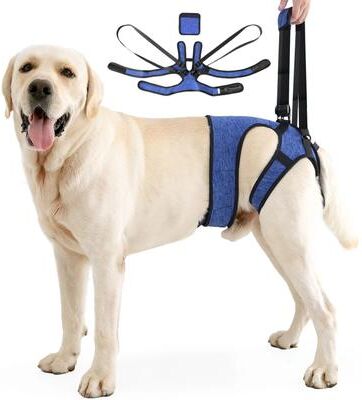
Inspire Picks Adjustable Dog Lift Harness For Back Leg Support & Walking Assistance blue mHelp your dog move more comfortably with this supportive dog lift harness designed to assist pets with weak back legs, mobility issues, or postsurgery recovery. Featuring a secure adjustable sling design, this walking support harness helps owners...75,60 $*Shipping: 0,00 $Secure redirect to the provider
-
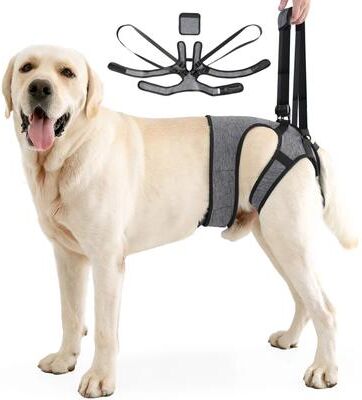
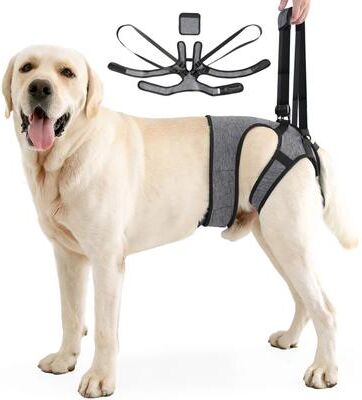
Inspire Select Dog Lift Support Harness Adjustable Rear Leg Support Sling For Mobility Assistance gray xlHelp your furry companion move with greater comfort and confidence using this supportive dog lift harness. Designed to provide reliable assistance for pets with mobility challenges, this dog support sling helps reduce strain while walking, climbing...90,98 $*Shipping: 0,00 $Secure redirect to the provider
-
Inspire Select Dog Lift Support Harness Adjustable Rear Leg Support Sling For Mobility Assistance gray lHelp your furry companion move with greater comfort and confidence using this supportive dog lift harness. Designed to provide reliable assistance for pets with mobility challenges, this dog support sling helps reduce strain while walking, climbing...157,95 $*Shipping: 0,00 $Secure redirect to the provider
-
Inspire Select Dog Lift Support Harness Adjustable Rear Leg Support Sling For Mobility Assistance gray mHelp your furry companion move with greater comfort and confidence using this supportive dog lift harness. Designed to provide reliable assistance for pets with mobility challenges, this dog support sling helps reduce strain while walking, climbing...148,95 $*Shipping: 0,00 $Secure redirect to the provider


-
What does dissociative 2 mean?
Dissociative 2 refers to a state of dissociation where a person feels disconnected from their thoughts, feelings, memories, or sense of identity. This can manifest as feeling like one is observing themselves from outside their body, or experiencing gaps in memory or awareness. Dissociative 2 is a term used in psychology to describe a specific level of dissociation, and it is often associated with conditions such as dissociative identity disorder (DID) or other trauma-related disorders. **
-
What is dissociative identity disorder?
Dissociative identity disorder (DID) is a complex psychological condition characterized by the presence of two or more distinct personality states or identities within an individual. These identities may have their own unique names, personal histories, and characteristics. Individuals with DID may experience memory gaps, amnesia, and a sense of detachment from their thoughts, feelings, and identity. The disorder is often the result of severe trauma, such as childhood abuse, and can significantly impact a person's daily functioning and relationships. Treatment for DID typically involves therapy to help integrate the different identities and address the underlying trauma. **
-
What exactly is dissociative identity disorder?
Dissociative identity disorder (DID) is a complex psychological condition characterized by the presence of two or more distinct identities or personality states within an individual. These identities may have their own unique names, personal histories, and characteristics. Individuals with DID may experience memory gaps, amnesia, and a sense of detachment from their thoughts, feelings, and actions. The disorder is often the result of severe trauma, such as childhood abuse, and can significantly impact a person's daily functioning and relationships. Treatment for DID typically involves psychotherapy to help integrate the different identities and address the underlying trauma. **
-
Can dissociative identity disorder be cured?
Dissociative identity disorder (DID) is a complex and chronic condition that involves the presence of two or more distinct identities or personality states. While there is no known cure for DID, it can be managed and treated with a combination of therapy, medication, and support. Treatment typically focuses on integrating the different identities and addressing the underlying trauma that led to the development of the disorder. With proper treatment and support, individuals with DID can experience significant improvement in their symptoms and lead fulfilling lives. However, it is important to note that the process of managing DID can be long-term and may require ongoing therapy and support. **

Do teachers talk about dissociative identity disorder?
Teachers may discuss dissociative identity disorder (DID) in psychology or mental health courses, but it may not be a common topic in general education settings. Some teachers may also address DID as part of discussions on mental health awareness or diversity and inclusion. However, due to the complexity and sensitivity of the disorder, teachers may approach the topic with caution and ensure they provide accurate and respectful information to students. **
Does anyone have experience with dissociative seizures?
Yes, I have experience with dissociative seizures. Dissociative seizures, also known as non-epileptic seizures, are a type of seizure that is not caused by abnormal electrical activity in the brain. Instead, they are thought to be caused by psychological factors such as stress, trauma, or other mental health issues. I have worked with individuals who have experienced dissociative seizures and have seen the impact that they can have on their daily lives. It is important for individuals experiencing dissociative seizures to seek support from mental health professionals to address the underlying psychological factors contributing to their seizures. **
Top-Angebote
Products related to Dissociative:
-
Inspire Select Dog Lift Support Harness Adjustable Rear Leg Support Sling For Mobility Assistance blue lHelp your furry companion move with greater comfort and confidence using this supportive dog lift harness. Designed to provide reliable assistance for pets with mobility challenges, this dog support sling helps reduce strain while walking, climbing...157,95 $*Shipping: 0,00 $Secure redirect to the provider
-
Inspire Picks Adjustable Dog Lift Harness For Back Leg Support & Walking Assistance blue mHelp your dog move more comfortably with this supportive dog lift harness designed to assist pets with weak back legs, mobility issues, or postsurgery recovery. Featuring a secure adjustable sling design, this walking support harness helps owners...75,60 $*Shipping: 0,00 $Secure redirect to the provider
-
Inspire Select Dog Lift Support Harness Adjustable Rear Leg Support Sling For Mobility Assistance gray xlHelp your furry companion move with greater comfort and confidence using this supportive dog lift harness. Designed to provide reliable assistance for pets with mobility challenges, this dog support sling helps reduce strain while walking, climbing...90,98 $*Shipping: 0,00 $Secure redirect to the provider
-
Epilepsy or dissociative disorder?
Epilepsy and dissociative disorders are two different conditions with distinct characteristics. Epilepsy is a neurological disorder characterized by recurrent seizures, which are caused by abnormal electrical activity in the brain. Dissociative disorders, on the other hand, involve disruptions in a person's memory, identity, consciousness, or perception of the environment. It is important to consult with a healthcare professional for a proper diagnosis and treatment plan, as the symptoms and underlying causes of these conditions can vary significantly. **
-
What is a dissociative seizure?
A dissociative seizure is a type of non-epileptic seizure that is not caused by abnormal electrical activity in the brain, but rather by psychological factors. It is often triggered by stress, trauma, or other emotional issues. During a dissociative seizure, a person may appear to be having a seizure with symptoms such as shaking, convulsions, or loss of consciousness, but there is no abnormal brain activity detected on an EEG. Treatment for dissociative seizures typically involves therapy to address the underlying psychological issues. **
-
What does dissociative 2 mean?
Dissociative 2 refers to a state of dissociation where a person feels disconnected from their thoughts, feelings, memories, or sense of identity. This can manifest as feeling like one is observing themselves from outside their body, or experiencing gaps in memory or awareness. Dissociative 2 is a term used in psychology to describe a specific level of dissociation, and it is often associated with conditions such as dissociative identity disorder (DID) or other trauma-related disorders. **
-
What is dissociative identity disorder?
Dissociative identity disorder (DID) is a complex psychological condition characterized by the presence of two or more distinct personality states or identities within an individual. These identities may have their own unique names, personal histories, and characteristics. Individuals with DID may experience memory gaps, amnesia, and a sense of detachment from their thoughts, feelings, and identity. The disorder is often the result of severe trauma, such as childhood abuse, and can significantly impact a person's daily functioning and relationships. Treatment for DID typically involves therapy to help integrate the different identities and address the underlying trauma. **
Similar search terms for Dissociative
-
Inspire Select Dog Lift Support Harness Adjustable Rear Leg Support Sling For Mobility Assistance gray lHelp your furry companion move with greater comfort and confidence using this supportive dog lift harness. Designed to provide reliable assistance for pets with mobility challenges, this dog support sling helps reduce strain while walking, climbing...157,95 $*Shipping: 0,00 $Secure redirect to the provider
-
Inspire Select Dog Lift Support Harness Adjustable Rear Leg Support Sling For Mobility Assistance gray mHelp your furry companion move with greater comfort and confidence using this supportive dog lift harness. Designed to provide reliable assistance for pets with mobility challenges, this dog support sling helps reduce strain while walking, climbing...148,95 $*Shipping: 0,00 $Secure redirect to the provider
-
Inspire Select Dog Lift Support Harness Adjustable Rear Leg Support Sling For Mobility Assistance blue xlHelp your furry companion move with greater comfort and confidence using this supportive dog lift harness. Designed to provide reliable assistance for pets with mobility challenges, this dog support sling helps reduce strain while walking, climbing...90,98 $*Shipping: 0,00 $Secure redirect to the provider
-
Inspire Select Dog Lift Support Harness Adjustable Rear Leg Support Sling For Mobility Assistance blue mHelp your furry companion move with greater comfort and confidence using this supportive dog lift harness. Designed to provide reliable assistance for pets with mobility challenges, this dog support sling helps reduce strain while walking, climbing...148,95 $*Shipping: 0,00 $Secure redirect to the provider
-
What exactly is dissociative identity disorder?
Dissociative identity disorder (DID) is a complex psychological condition characterized by the presence of two or more distinct identities or personality states within an individual. These identities may have their own unique names, personal histories, and characteristics. Individuals with DID may experience memory gaps, amnesia, and a sense of detachment from their thoughts, feelings, and actions. The disorder is often the result of severe trauma, such as childhood abuse, and can significantly impact a person's daily functioning and relationships. Treatment for DID typically involves psychotherapy to help integrate the different identities and address the underlying trauma. **
-
Can dissociative identity disorder be cured?
Dissociative identity disorder (DID) is a complex and chronic condition that involves the presence of two or more distinct identities or personality states. While there is no known cure for DID, it can be managed and treated with a combination of therapy, medication, and support. Treatment typically focuses on integrating the different identities and addressing the underlying trauma that led to the development of the disorder. With proper treatment and support, individuals with DID can experience significant improvement in their symptoms and lead fulfilling lives. However, it is important to note that the process of managing DID can be long-term and may require ongoing therapy and support. **
-
Do teachers talk about dissociative identity disorder?
Teachers may discuss dissociative identity disorder (DID) in psychology or mental health courses, but it may not be a common topic in general education settings. Some teachers may also address DID as part of discussions on mental health awareness or diversity and inclusion. However, due to the complexity and sensitivity of the disorder, teachers may approach the topic with caution and ensure they provide accurate and respectful information to students. **
-
Does anyone have experience with dissociative seizures?
Yes, I have experience with dissociative seizures. Dissociative seizures, also known as non-epileptic seizures, are a type of seizure that is not caused by abnormal electrical activity in the brain. Instead, they are thought to be caused by psychological factors such as stress, trauma, or other mental health issues. I have worked with individuals who have experienced dissociative seizures and have seen the impact that they can have on their daily lives. It is important for individuals experiencing dissociative seizures to seek support from mental health professionals to address the underlying psychological factors contributing to their seizures. **
* All prices are inclusive of VAT and, if applicable, plus shipping costs. The offer information is based on the details provided by the respective shop and is updated through automated processes. Real-time updates do not occur, so deviations can occur in individual cases. ** Note: Parts of this content were created by AI.